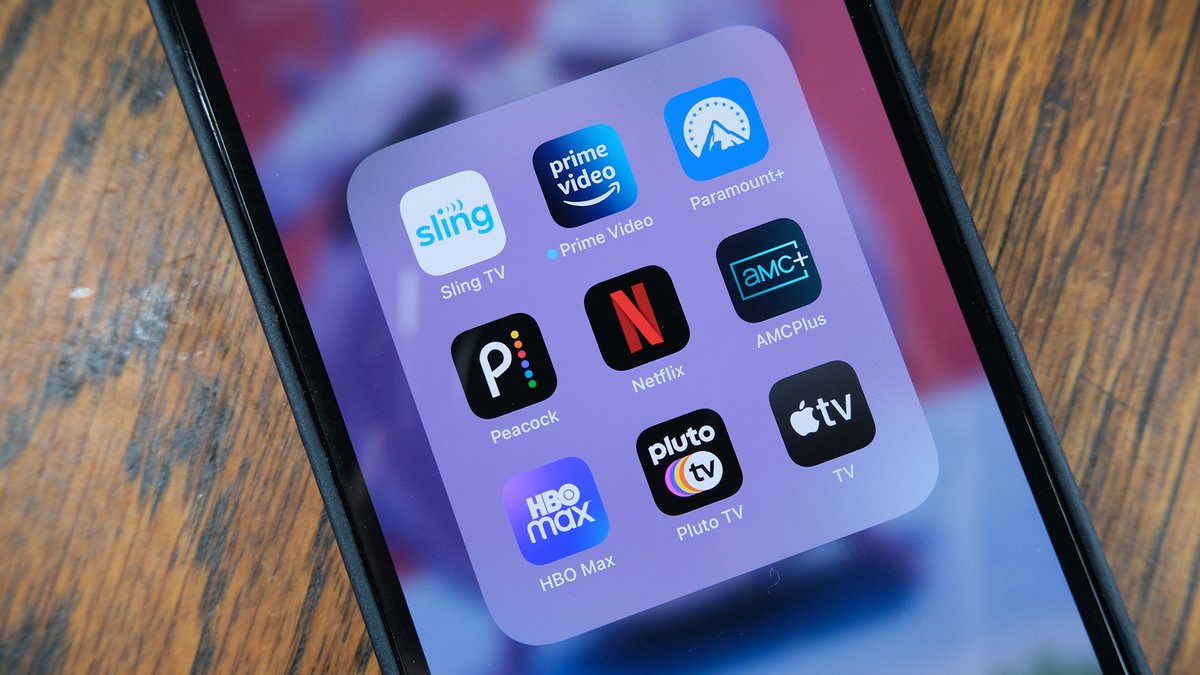
Ever tried to watch a show only to be hit with that frustrating "Content not available in your region" message? Welcome to the world of geo-restrictions, a digital wall that keeps you from enjoying international streaming content. But here's the good news: with International Streaming & VPN Use, you can easily bypass these geo-blocks and unlock a universe of entertainment. Imagine catching up on BBC iPlayer from the US, watching US Netflix from Europe, or accessing your home country's local news while traveling abroad – a Virtual Private Network (VPN) makes it all possible.
This isn't just about accessing blocked content; it's about taking control of your online freedom and ensuring your internet experience is as boundless as your curiosity.
At a Glance: Your Quick Guide to International Streaming & VPNs
- Why You Need a VPN: Streaming platforms block content based on your location due to licensing agreements. A VPN helps you bypass these "geo-blocks."
- How It Works: A VPN spoofs your location by routing your internet traffic through a server in a country of your choice, making it appear as if you're browsing from there.
- Key Features to Look For: Excellent global server network, fast speeds (especially for 4K), strong encryption, a strict no-logs policy, and broad device compatibility.
- Top VPNs for Streaming: ExpressVPN (overall best), NordVPN (fastest), Surfshark (best value), and Proton VPN (most versatile, even a free tier for US Netflix).
- Is It Legal? In most regions, using a VPN for streaming is legal, but always check local laws and the streaming service's terms.
- Beyond Unblocking: VPNs also encrypt your traffic, enhancing privacy, and can potentially prevent your Internet Service Provider (ISP) from throttling your streaming speeds.
Why Your Favorite Shows Are Playing Hard to Get: Understanding Geo-Blocks
The internet promises a world without borders, yet when it comes to streaming, those borders become strikingly real. The culprit? Geo-restrictions. This isn't some arbitrary gatekeeping; it's a complex web of licensing agreements, content distribution rights, and sometimes even national censorship.
Think of it like this: a movie studio might sell the rights to stream a particular film to Netflix in the US, but to Hulu in Japan, and to a local broadcaster in Germany. Each platform pays for exclusive rights within specific territories. When you try to access that content from an unsupported country, the streaming service's system detects your IP address (your internet's postal code, essentially) and blocks your access. It's an enforced digital bouncer at the door, ensuring you only get in if your "ID" matches the allowed region.
Beyond licensing, your Internet Service Provider (ISP) can sometimes add another layer of frustration. During peak hours or when detecting high-bandwidth activities like streaming, some ISPs engage in "throttling" – intentionally slowing down your connection. This can lead to buffering, pixelated images, and a generally miserable viewing experience. This practice helps them manage network congestion, but it's a raw deal for you, the paying customer.
This is where a powerful tool like a VPN steps in, offering a clever way around these digital obstacles. For a deeper dive into why content is blocked, you might find more insights by understanding the basics of geo-blocking.
The VPN Solution: Unlocking Global Content
A Virtual Private Network (VPN) is your secret weapon against geo-restrictions and a powerful shield for your online privacy. At its core, a VPN creates a secure, encrypted connection (a "tunnel") between your device and a server operated by the VPN service. When you connect to a VPN server, two crucial things happen:
- Location Spoofing: Your internet traffic is routed through the VPN server. This means that to any website or streaming service you visit, your IP address appears to be that of the VPN server, not your actual location. Want to watch British TV? Connect to a server in the UK. Craving US Netflix? Choose a US server. Voila – you've digitally relocated.
- Encryption and Privacy: As your data travels through the VPN tunnel, it's heavily encrypted. This scrambling of data makes it unreadable to anyone trying to snoop on your activity, including your ISP, government agencies, or potential hackers. This not only keeps your streaming habits private but also protects all your online activities. This encryption also makes it much harder for ISPs to detect and throttle your streaming traffic, potentially giving you a smoother, faster experience.
By combining location spoofing with robust encryption, a VPN allows you to access region-specific content libraries, potentially avoid ISP throttling, and even access local content when you're traveling abroad, all while enhancing your overall online security.
Getting Started: Your VPN Playbook for Streaming
Ready to liberate your streaming? Using a VPN is surprisingly straightforward. Here's your step-by-step guide:
- Subscribe to a Reliable VPN Service: This is the most critical first step. Not all VPNs are created equal, especially when it comes to streaming. You need a service with strong geo-unblocking capabilities, fast speeds, and a wide network of servers. (More on picking the right one below!)
- Install the VPN Application: Once you've subscribed, download and install the VPN app on your device. Reputable VPNs offer dedicated apps for a vast range of devices, including computers (Windows, macOS, Linux), smartphones (iOS, Android), smart TVs, streaming sticks (Fire TV, Android TV), and even gaming consoles (via router installation).
- Connect to a Server in Your Desired Country: Open the VPN app, and you'll typically see a list or map of server locations. Choose a server in the foreign country from which you wish to stream content. For example, if you want to watch content available only in Canada, select a Canadian server.
- Access Your International Streaming Network: With your VPN connected, simply open your chosen streaming app or website (e.g., Netflix, Hulu, BBC iPlayer). The service will now "see" you as being located in the country where your VPN server is, granting you access to that region's content library. Start streaming!
It's that simple. If you're looking for more detailed instructions, you can often find comprehensive guides on how to set up a VPN for various devices.
What Makes a VPN a Streaming Champion? Key Features You Can't Live Without
Choosing the right VPN for streaming isn't just about picking the first one you see. It requires a discerning eye for specific features that directly impact your viewing experience. Here's what to prioritize:
- Extensive Global Server Network: This is non-negotiable. A large network means more options to unblock content from various countries. It also means less congestion on individual servers, leading to better speeds. The more countries covered, the greater your streaming potential.
- Superior Speeds for Buffer-Free Streaming: Nothing ruins movie night like constant buffering. For smooth 4K streaming, you'll need at least 25-50Mbps download speeds. A good VPN should minimize speed loss to 25% or less. Look for VPNs that invest in fast infrastructure and modern protocols.
- Robust Geo-Unblocking Capabilities: This is the VPN's primary job for streaming. Top-tier VPNs are constantly working to bypass the sophisticated detection methods streaming services employ. They should reliably unblock major platforms like Netflix, Amazon Prime Video, Disney+, Hulu, and regional services like BBC iPlayer.
- Strong Security and Privacy Features: While streaming is the goal, don't compromise on security.
- 256-bit Encryption: This is the industry standard for protecting your data.
- Modern Protocols: Look for OpenVPN, WireGuard, NordLynx (NordVPN's custom protocol), or Lightway (ExpressVPN's custom protocol). These offer a balance of speed and security.
- Kill Switch: An essential safety net. If your VPN connection drops unexpectedly, a kill switch immediately disconnects your internet to prevent your real IP address from being exposed.
- DNS Leak Protection: Ensures your DNS requests (which translate website names into IP addresses) are routed through the VPN, preventing your ISP from seeing your online activity.
- Strict No-Logs Policy (Ideally Audited): This means the VPN provider doesn't track or store any information about your online activities. An independent audit adds credibility to their claims.
- Broad Device Compatibility & User-Friendly Apps: A great streaming VPN should have dedicated apps for all your devices: computers, smartphones, tablets, and crucially, streaming devices like Apple TV, Fire TV, and Android TV.
- Router Installation: For devices without native VPN apps (like Roku, older smart TVs, PlayStation, Xbox), installing the VPN on your router provides whole-network coverage. Every device connected to that router will be protected by the VPN.
- SmartDNS: Some VPNs offer SmartDNS services. These can unblock geo-restricted content on devices that don't support VPN apps but don't offer the same level of privacy and security as a full VPN.
- Multiple Simultaneous Connections: Consider how many devices you and your family might use at once. Most VPNs offer a decent number, but some provide unlimited connections, which is a huge bonus.
- Parental Control: While not directly a streaming feature, some VPNs integrate parental control options, which can be useful for families managing screen time and content access.
Choosing a VPN with these features ensures you get the best possible streaming experience, whether you're at home or on the go. To make an informed choice, it's worth checking out comprehensive comparisons of the top VPNs for streaming.
Our Top Picks for Unrestricted Streaming
After extensive testing and considering the features above, these VPNs consistently rise to the top for international streaming:
ExpressVPN: The Overall Best for Seamless Streaming
ExpressVPN is widely regarded as the gold standard for streaming, and for good reason. It effortlessly unblocks virtually every major streaming service, including Netflix (numerous libraries), Amazon Prime Video, Disney Plus, Hulu, HBO Max, BBC iPlayer, and more, across its vast global server network.
- Why it's a champion: Its proprietary Lightway protocol ensures top-tier speeds, with an average speed loss of just 18% in tests, making it excellent for 4K UHD streaming. The service boasts over 3,000 servers in 105 countries, providing an unparalleled selection of locations.
- User Experience: ExpressVPN's apps are incredibly intuitive and novice-friendly, available for nearly every platform imaginable, including dedicated apps for streaming devices and even its own Aircove router for easy whole-home coverage.
- Connectivity: Supports up to 10 simultaneous connections, with router app or Aircove router installation extending that to all devices on your network.
- Bonus: Includes parental control features.
NordVPN: The Speed Demon for 4K UHD
If speed is your absolute priority, especially for pristine 4K UHD streaming, NordVPN is the clear winner. In recent tests, it showed an astonishingly low 3% speed loss, peaking at an incredible 6,700Mbps.
- Why it's a champion: Its custom NordLynx protocol (built on WireGuard) is designed for blistering performance without sacrificing security. With around 7,000 servers across 110+ countries, NordVPN offers an expansive network for unblocking a wide array of content, including Netflix, Amazon Prime Video, Disney Plus, Max, BBC iPlayer, and Hulu.
- Robust Features: Beyond speed, NordVPN provides robust security features, integrated ad blocking, and a unique Meshnet feature that allows you to create secure connections between your own devices, which can be incredibly useful for easier travel streaming.
- Connectivity: Supports 10 simultaneous connections.
Surfshark: Best Value, Unlimited Connections
For those who want excellent streaming performance without breaking the bank, Surfshark offers unbeatable value, especially with its unlimited simultaneous connections.
- Why it's a champion: It delivers excellent speeds for 4K streaming, with an average speed loss of 21%. Surfshark is adept at unblocking numerous Netflix libraries (tested 22+ countries), Disney Plus, Amazon Prime Video, and BBC iPlayer.
- Unique Features: It stands out with a GPS spoofer (Android only) for geo-location-based services like YouTube TV, and Dynamic Multihop/IP Rotator for enhanced privacy, which can also help in bypassing stubborn geo-blocks.
- Connectivity: The unlimited simultaneous connections make it perfect for families or individuals with many devices.
Proton VPN: The Most Versatile, With a Free Streaming Tier
Proton VPN is celebrated for its strong privacy credentials, but it also shines as a versatile streaming VPN, even offering a compelling free tier.
- Why it's a champion: The free tier provides secure access to the US Netflix library without speed limits, a rare and valuable offering. The premium tier elevates this further, offering over 15,000 servers in 122 countries and excellent streaming performance with minimal speed loss (16%). It reliably unblocks various regional Netflix libraries (including Egyptian), Amazon Prime Video, Disney Plus, and Hulu.
- Privacy First: Primarily privacy-focused, Proton VPN combines strong security features with transparent, open-source apps.
- Connectivity: Supports 10 simultaneous connections on its premium plans.
Other VPNs: Good, But Not Always for Streaming
While the VPN market is vast, not every service is optimized for the demanding task of streaming. Here are a few others we've tested, noting their strengths and, more importantly, their limitations when it comes to international streaming:
- Private Internet Access (PIA): PIA boasts an enormous network of over 64,000 servers in 90+ countries and offers unlimited simultaneous connections. Its privacy features are strong. However, for streaming, it showed an underwhelming 49% average speed loss in tests, which is too high for consistent 4K streaming, and it struggled particularly with unblocking Amazon Prime Video.
- IPVanish: This VPN is simple to use and managed to unblock several streaming services. The main drawback for streaming is its inconsistent and often sluggish speeds, with an average 44% speed loss. This makes it less than ideal for high-definition or 4K streaming, leading to frustrating buffering.
- Mullvad: Mullvad is an excellent choice for privacy, known for its transparency and strong security stance. It offers reasonable speeds with a 24% speed loss. It worked well with Netflix, Disney Plus, and Hulu in our tests but struggled with Amazon Prime Video and has limited smart TV/streaming device support. Its smaller server network (49 countries) also limits the range of content you can unblock compared to top-tier providers.
When your primary goal is international streaming, these services might prove adequate for some uses, but their inconsistencies in speed or geo-unblocking make them less reliable choices than our top recommendations. For those who frequently switch streaming devices, understanding how to set up a VPN on various streaming devices is crucial.
Understanding VPN Costs & Guarantees
Navigating VPN pricing can feel a bit like decoding a secret language, but here's the straightforward breakdown:
- Monthly Subscriptions: Expect to pay between $5 to $15 per month for most reputable VPN services. This is the most flexible option if you only need a VPN for a short period or want to test a service without a long-term commitment.
- Longer-Term Plans: This is where the real value often lies. Providers heavily incentivize 1-year or 2-year subscriptions with attractive introductory pricing, typically ranging from $40-$100 for the entire term. This brings the effective monthly cost down significantly.
- Renewal Prices: Be aware that these introductory rates are often for the first term only. Renewal prices can be significantly higher, sometimes jumping to $50-$150+ annually. Always check the renewal terms before committing.
- Money-Back Guarantees: A standard in the industry, most reputable VPNs offer a 30-day money-back guarantee. This is a fantastic feature, allowing you to thoroughly test the service with your streaming platforms and devices risk-free. If it doesn't meet your expectations, you can simply request a full refund.
Ultimately, a VPN is an investment in your entertainment and online freedom. Given the robust features and benefits, even premium services offer excellent value, especially when compared to the cost of additional streaming subscriptions.
Beyond Netflix: Exploring International Streaming Platforms
While Netflix is often the first name that comes to mind, a VPN opens up a world of other streaming possibilities. Many countries have fantastic local platforms with unique content that's usually geo-restricted.
Free International Streaming Platforms:
- Kodi: An open-source media player that, with various add-ons, can be configured to access a vast array of international content. It requires a bit of setup but offers immense flexibility.
- BBC iPlayer: The go-to for British TV, documentaries, and movies. A VPN connection to a UK server is all you need to dive into the best of British broadcasting.
- SBS on Demand: Offers a rich selection of international and Australian content, including acclaimed dramas, documentaries, and foreign films, typically accessible with an Australian VPN server.
Other Notable Streaming Platforms (region-specific):
- ESPN+: For sports fans in the US, ESPN+ offers exclusive live sports and original content. Accessing it from abroad requires a US VPN server.
- Hulu: Another US-centric platform with a massive library of current and classic TV shows, original content, and movies.
- DRTV: The public service broadcaster of Denmark, offering a wide range of Danish programs, news, and series.
- Jellyfin: For the more tech-savvy, Jellyfin is a free and open-source media system that lets you organize and stream your own self-hosted media libraries, making it accessible internationally from your own server.
By using a VPN, you're not just expanding your Netflix options; you're gaining entry to diverse cultural content and niche platforms you might never have discovered otherwise. You can Discover more on Flixbaba for an even broader view of international streaming possibilities.
Common Questions About Streaming VPNs (FAQ)
Is using a VPN for streaming legal?
In most regions, using a VPN for streaming is completely legal. VPNs are legitimate tools for privacy and security. However, it's crucial to always check your local laws, as a few countries (like China, Russia, and North Korea) have severe restrictions or outright bans on VPN use. Additionally, while using a VPN isn't illegal, it might violate the streaming service's Terms of Service (ToS). Most services have clauses against using VPNs to bypass geo-restrictions. If detected, this could lead to content blocking, warnings, or, in rare cases, account suspension. Practically, streaming services focus on blocking VPNs rather than penalizing users.
My VPN isn't working with a streaming service. What do I do?
This is a common issue, as streaming services and VPNs play an ongoing "cat-and-mouse game." Streaming providers constantly develop new methods to detect and block VPN traffic, and VPNs, in turn, find ways around those blocks. If you encounter a problem:
- Switch Servers: Your first and best troubleshooting step is to disconnect and reconnect to a different server within the same country. The streaming service might have blacklisted the IP address of your previous server.
- Clear Browser Cache/Cookies: Streaming services can store location data in your browser's cookies. Clear your browser's cache and cookies, or try using incognito/private browsing mode.
- Check for IP/DNS Leaks: Ensure your VPN is functioning correctly and not leaking your real IP or DNS information.
- Contact VPN Support: Reputable VPNs offer 24/7 customer support. They often know which specific servers work best for certain streaming services and can provide tailored advice.
Can a VPN help me save money on streaming?
Potentially, yes. By expanding your content access, a VPN can reduce the need for multiple streaming subscriptions. For example, if a show you want to watch is available on Netflix in the UK but requires a separate subscription in your country, a VPN lets you access the UK library without paying for another service. This strategy requires careful management of your subscriptions, but it certainly offers the flexibility to optimize your entertainment budget.
Does every device need a dedicated VPN app for streaming?
Not necessarily. While dedicated VPN apps are convenient for computers, smartphones, and many streaming devices (like Fire TV), some devices (e.g., Roku, PlayStation, Xbox, older smart TVs) don't support native VPN applications. In these cases, installing a VPN on a compatible router is a game-changer. Once configured, all devices connected to that router will have their internet traffic routed through the VPN, providing whole-network coverage with a single connection. Some VPNs also offer SmartDNS services, which can unblock geo-restricted content on such devices without full VPN encryption.
What about privacy when using a VPN for streaming?
Using a VPN significantly enhances your privacy. When connected, your internet traffic is encrypted, making it unreadable to your ISP, network administrators, and potential snoopers. This means your streaming habits, browsing history, and other online activities remain private. A strict no-logs policy from your VPN provider is crucial here, as it ensures the VPN itself isn't collecting data about your usage. For a more comprehensive understanding of these aspects, consider learning about VPNs and the law.
Your Next Stream Awaits: Taking Control of Your Entertainment
The digital world is brimming with incredible stories, captivating documentaries, and groundbreaking series, many of which are locked behind geographical barriers. With International Streaming & VPN Use, you have the key to unlock this treasure trove. You're not just bypassing a block; you're reclaiming your freedom to choose what you watch, when you watch it, and from where.
By understanding how VPNs work, what features to prioritize, and which services excel, you're empowered to make informed decisions. Whether it's catching up on a niche show from another continent or simply ensuring a smooth, private streaming experience at home, a reliable VPN transforms your digital landscape. So, go ahead. Choose your VPN, connect to a server, and let the international binge-watching begin. Your global entertainment journey starts now.